Ordinances 69-28 and 69-29
Ordinances 69-28 and 69-29 will not be voted upon at the June City Council meeting and will instead be tabled for discussion and action at a future council meeting.
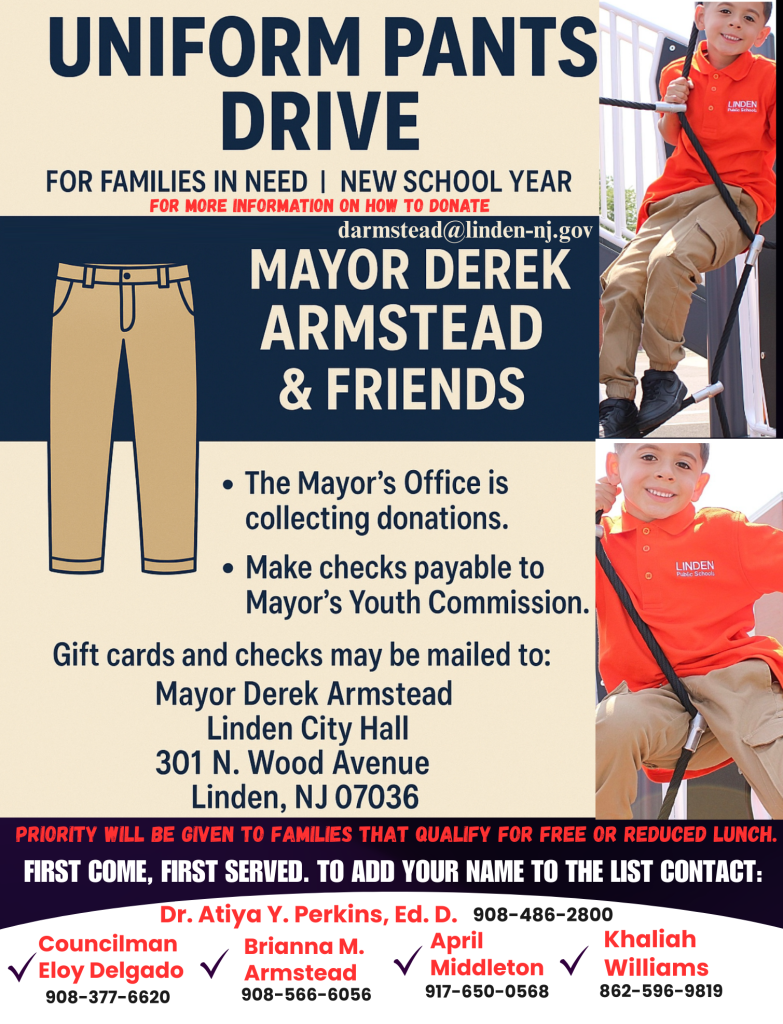
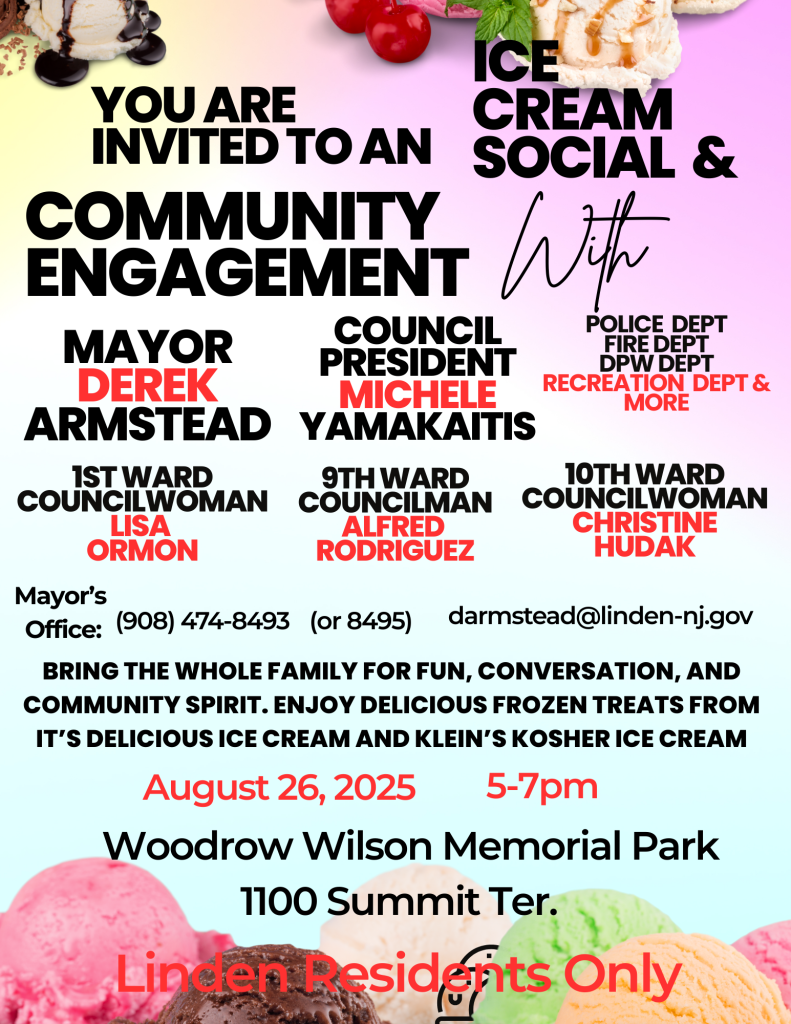
Click here to view and/or download the informational flyer for this event.
Law enforcement continues to receive reports of fraudulent phone calls in vishing scams. Typically, threat actors (hackers) acquire publicly available information found online and impersonate specific organizations or individuals. They contact the recipient to extort money or convince their targets to divulge sensitive information, grant access to their accounts or devices, or purchase fraudulent goods or services. In one report, an educational institution received repeated suspicious phone calls from different phone numbers, including spoofed official ones, to appear legitimate. The threat actors claimed to be “Online IT Training” and asked for the head of the information technology department. When questioned, the threat actors could not respond “off script.”
Threat actors are increasingly leveraging voice cloning and artificial intelligence (AI) technologies to carry out impersonation and extortion scams. They can find and capture snippets of a person’s voice online, through social media platforms, in outgoing voicemail messages, or when the recipient caller answers a call. They can weaponize AI technology with the captured audio to clone a person’s voice and create fraudulent schemes, such as family emergencies, kidnappings, robberies, or car accidents. In one reported vishing scam, the threat actors impersonated the target’s daughter, claiming to be involved in a car accident. A male voice was also on the line, claiming to be a local law enforcement officer and reporting that the daughter supposedly admitted to using her cell phone while driving. He indicated that she was being held for charges of injuring the other driver, who was pregnant. The purported officer stated that a bail bond agent would contact them to post bail. Minutes later, a male caller posing as a bail bond agent contacted the target to indicate bail was set at $15,000 cash only, and threatened not to tell anyone because it would go on the daughter’s permanent record. After hanging up with the threat actors, the target called their daughter to confirm the call’s legitimacy before going to the bank. The daughter revealed she was not on the call or involved in a car accident.
Click here to view and/or download the informational flyer for this event.
Click here to view and/or download the informational flyer for Summer XC/Track Conditioning Program.
Click here to view and/or download the informational flyer for this program.
Over the last week, the New Jersey Cybersecurity and Communications Integration Cell (NJCCIC) received several incident reports from NJ residents regarding an SMS text phishing (SMiShing) scam impersonating the Department of Motor Vehicles (DMV).
These messages claim that the user has an outstanding traffic ticket and payment is due. If not paid by May 29, the user will have their vehicle registration and driving privileges suspended, receive a toll booth charge increase, and their credit score will be impacted. The URL displayed in the message includes “ezpassnj” and “.gov” in an attempt to appear legitimate. The message itself does not allow the user to click the included link directly but instead instructs them to reply to the message with “Y” and reopen the message to click the link or to copy the URL to their browser. These links lead to fraudulent websites that attempt to extract personally identifiable information, financial details, or account credentials.
This SMiShing scheme is similar to others that have circulated impersonating NJ toll services and EZ-Pass claiming the user has an outstanding toll that needs to be paid to avoid a late fee.

Click here to view and/or download the informational flyer for this event.